This guide helps homeowners compare the practical factors that matter most when choosing Air Conditioning Hills District, especially where summer peaks, shaded blocks, and mixed home styles can change what works best.
What does “eco-conscious” mean for an air conditioning upgrade?
It means they prioritise lower energy use, smarter control, and a system sized for the home rather than oversized “just in case”. The aim is fewer kilowatt-hours, less waste, and better performance during hot spells.
For Air Conditioning Hills District, that usually means comparing efficiency ratings, zoning, installation quality, and how the system behaves at part-load, not just on brochure specs.
How should they compare system types for efficiency and impact?
They should start by comparing reverse-cycle split systems, ducted systems, and multi-split setups based on how the home is actually used. Splits can be efficient for targeted rooms, while ducted can suit whole-home comfort if zoning is done well.
In Air Conditioning Hills District, many households find the “greenest” option is the one that avoids cooling empty rooms most of the day.
Why does correct sizing matter more than most people think?
Correct sizing reduces cycling, improves dehumidification, and lowers power bills. Oversized units can cool quickly but perform poorly on humidity and waste energy through frequent on-off operation.
When assessing Air Conditioning Hills District, they should request a proper heat-load calculation rather than accepting a rough “square metres” estimate.
Which efficiency numbers should they actually compare?
They should compare seasonal efficiency values, not just peak performance. Look for high-efficiency inverter models and strong seasonal ratings that reflect real operating conditions.
For Air Conditioning Hills District, seasonal performance matters because systems often run long hours at partial capacity, where better inverter control can make a noticeable difference.
How can zoning reduce emissions without sacrificing comfort?
Zoning lets them cool only where people are, when they are there. It is one of the most effective ways to cut running costs and energy use, especially in larger homes.
With Air Conditioning Hills District, they should check how many zones are truly independent, whether dampers are properly designed, and whether airflow stays balanced when only one zone is running.
What should they ask about refrigerants and environmental footprint?
They should ask which refrigerant is used and whether it aligns with lower environmental impact goals. They should also confirm that the installer follows best-practice handling to prevent leaks.
For Air Conditioning Hills District, refrigerant choice is only part of the picture, but leak prevention and correct charging often have a bigger practical impact than people expect.
How does installation quality affect energy use over the long term?
A high-efficiency unit can still perform poorly if it is installed badly. Poor duct design, incorrect pipe runs, weak insulation, and sloppy commissioning can raise consumption and shorten lifespan.
When selecting Air Conditioning Hills District, they should compare installers based on commissioning steps, airflow testing, and whether the handover includes measurable settings, not just a quick demonstration.
Which smart controls genuinely help, and which are just gimmicks?
Useful controls include programmable schedules, occupancy-based routines, and temperature limits that prevent overcooling. App control is only valuable if it supports practical automation and clear energy feedback.
In Air Conditioning Hills District, they should compare whether the controller supports zoning logic properly and whether it can maintain stable comfort without constant manual adjustments.
What home upgrades should they compare before spending on a bigger system?
They should compare insulation, draught sealing, blinds, and window shading before upsizing capacity. Reducing heat gain often delivers a bigger carbon and comfort win than installing a larger unit.
For Air Conditioning Hills District, this is especially relevant in homes with western sun exposure, large glazing, or ageing ceiling insulation that quietly forces the air con to work harder. Read more about heating and cooling.
How can they compare running costs in a way that reflects real life?
They should estimate hours of use, target set points, and which rooms are used most, then compare that against seasonal efficiency and zoning strategy. A cheaper unit can cost more over time if it runs inefficiently under typical conditions.
When comparing Air Conditioning Hills District, they should ask for a written estimate that includes assumptions, such as thermostat settings, typical operating hours, and zone usage.
What maintenance and lifespan factors should they check upfront?
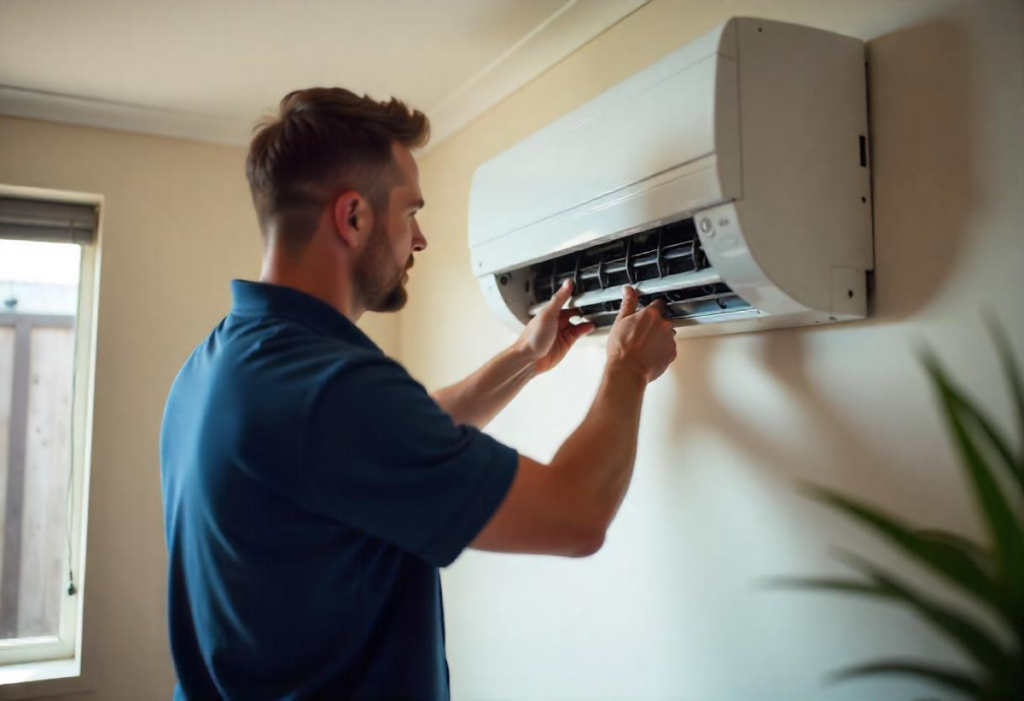
They should compare filter access, coil cleaning needs, and warranty coverage, including labour terms. Systems that are hard to service are more likely to be neglected, which can reduce efficiency and increase power draw.
For Air Conditioning Hills District, they should also ask how often the system should be serviced given local dust, vegetation, pets, and how heavily it will be used during summer.
What is the simplest checklist before they commit to an upgrade?
They should confirm sizing is calculated, zoning is meaningful, efficiency is seasonal, and installation includes proper commissioning. They should also ensure the proposal matches the household’s daily patterns rather than a generic recommendation.
For Air Conditioning Hills District, the most eco-conscious upgrade is usually the one that is designed for the home’s layout, tuned for part-load performance, and installed to a standard that keeps it efficient for years.
Related : Air Conditioning Service Baulkham Hills: Top 5 Maintenance Tips for a Healthier Home